Chapter 8
The Fascination Of Gunther Plüschow
What his departure can still tell us today.
Adventure Is More Than Danger
There are people whose lives do not follow straight lines, but trace a path through ice, storm, sea and cloud. Gunther Plüschow is one of them. He was not merely a naval officer, not merely an aviator, not merely an explorer. He was one of those rare people who did not avoid the unknown, but found their purpose precisely within it.
The fascination of Plüschow does not, therefore, lie in a simple appetite for risk. It lies in an attitude. Adventure here is neither noise nor pose, nor a contempt for life. It is the willingness to expect more of life than comfort. The adventurer is not the person who seeks danger because it is dangerous; he is the person who takes a task so seriously that even danger does not stand as the final argument.
In this sense, Plüschow belongs to that tradition of thought which Fridtjof Nansen invoked in his St Andrews address: a person does not grow by avoiding everything unpredictable. A person grows when called by a task that is greater than their fear.
The Gaze That Does Not Stop at the Map
Plüschow's fascination begins with an almost childlike, though by no means childish, quality: he wanted to see. Not merely to hear, not merely to read, not merely to trace on maps what others had already surveyed. He wanted to see with his own eyes what the earth looks like where it is still untamed.
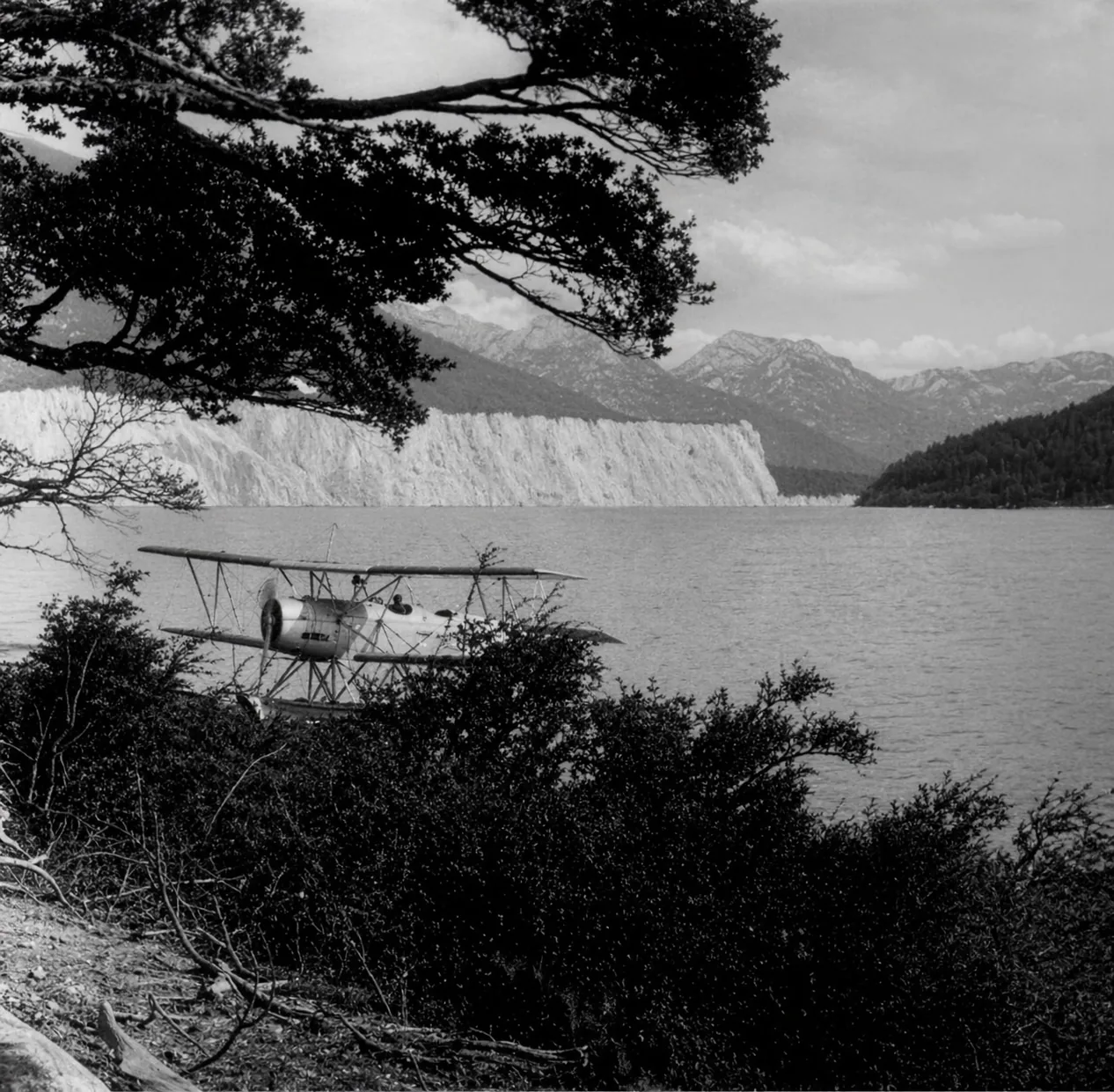
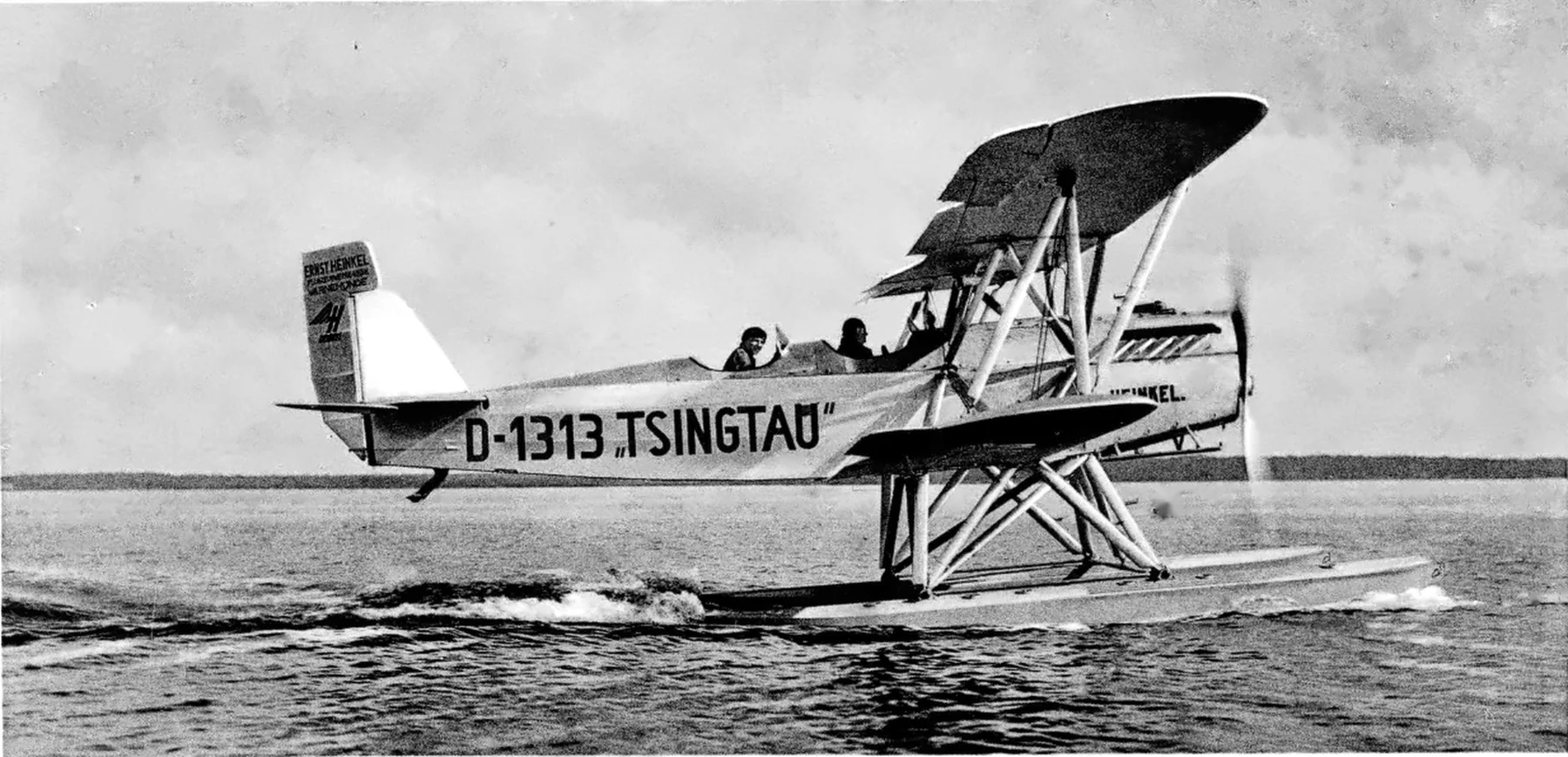
He became known as an aviator in Tsingtau; later, in Tierra del Fuego and Patagonia, he sought out those landscapes in which wind, ice and rock exert a force more powerful than human plans. What drove him was not a flight from reality, but the desire to penetrate more deeply into it.
It is precisely in this that Plüschow speaks to us today. We live in an age in which almost everything appears visible: satellite imagery, maps, data, news, opinions. And yet the decisive question remains: do we truly see? Or do we simply adopt the ready-made images of others? Plüschow's life urges us to seek direct experience: to look for ourselves, to judge for ourselves, to extend our own horizon.
The Feuerland: Patience Before Flight
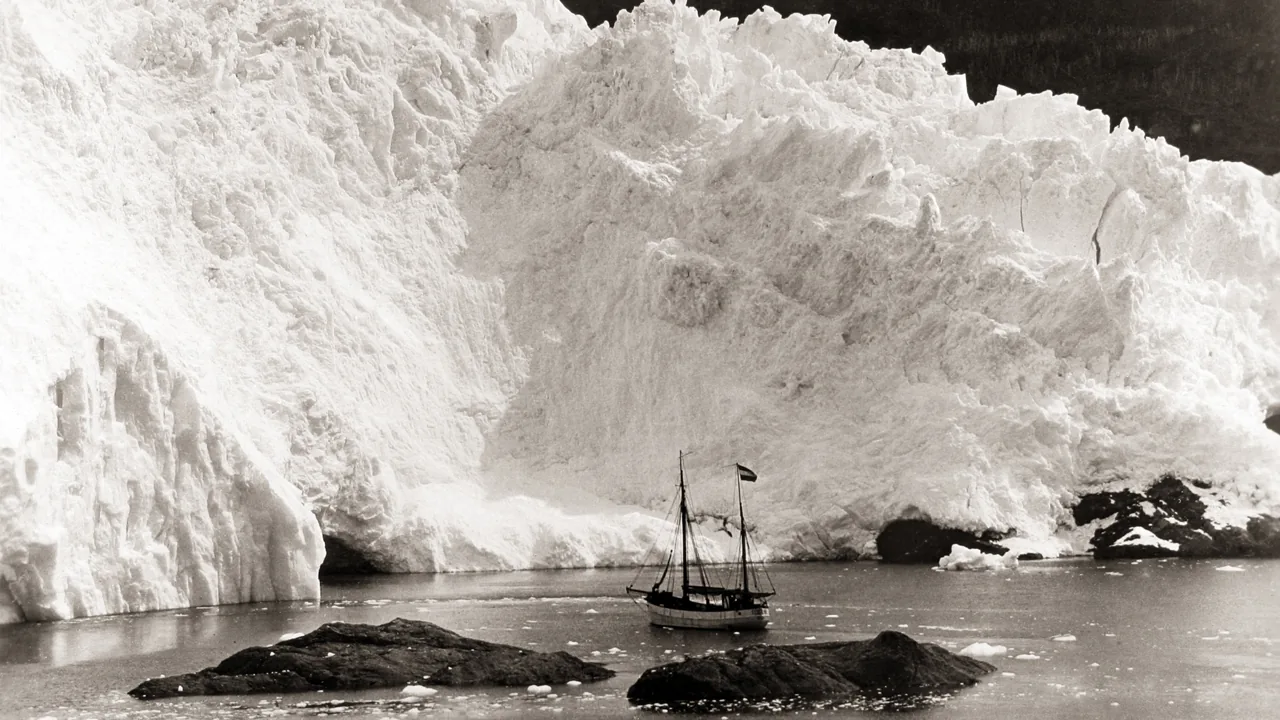
This life encompasses not only the sky, but also the ship: the Feuerland. She was more than a vessel. She was the wooden bridge between Europe and the end of the world, the floating threshold across which Plüschow stepped into his true adventure.
The Feuerland makes plain that every bold departure has an inconspicuous, patient side. Before flight was possible, a ship had to be built, fitted out, loaded, steered, maintained and brought through heavy seas. The Feuerland was workshop, base, store, shelter and companion in one.
She stands for a truth that is easily forgotten: no genuine flight begins in the air. It begins on the ground — in preparation, in craft, in perseverance. The Feuerland was the slow, steadfast element; the Silberkondor the bold, ascending one. Only together do they form the complete picture.
The Silberkondor: Altitude as a New Perspective
When Plüschow flew his aircraft over Tierra del Fuego, over the Darwin Cordillera, over Cape Horn and the vast landscapes of Patagonia, he brought back to Europe not merely news. He brought back images of a world that, in the minds of many, scarcely existed.
Flight meant more than speed. It meant a new perspective. From above, connections became visible that remained hidden at ground level. The aircraft was therefore not simply a technical device, but an instrument of understanding. It helped one to see the world differently.
This, too, has relevance today. Our age is rich in detail and poor in overview. We are hemmed in by news, appointments, and stimuli. The Silberkondor is a reminder that a person must occasionally gain altitude: distance, composure, perspective. Not to escape the world, but to perceive it more clearly.
Self-Discipline, Comradeship and Proving Oneself
Plüschow's path also shows that adventure always carries a moral dimension. In storm, cold, and technical uncertainty, what counts is not what a person claims of himself, but what he is truly capable of: patience, sobriety, courage, comradeship, presence of mind.
Great deeds rarely arise from the moment alone. They grow from preparation, from practice, from that quiet self-discipline which a person acquires long before the hour of trial arrives. What the body learns in training, the mind also learns in life: to hold firm, to keep measure, to carry on when the wind is head-on.
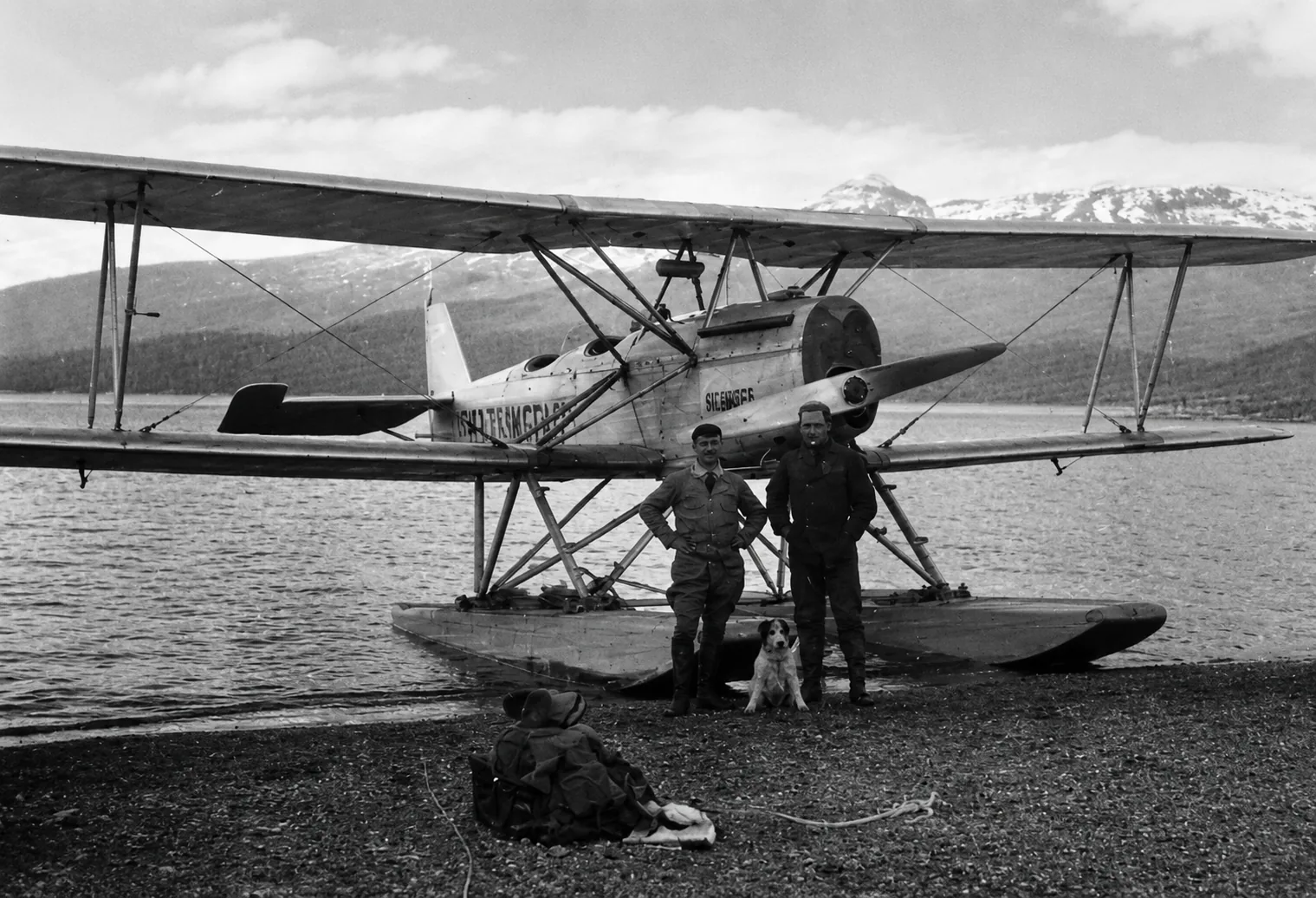
At the same time, Plüschow did not act alone. Ernst Dreblow, crew members, helpers, workshops, sailors, and many invisible hands were all part of his enterprise. This, too, guards against false hero-worship. The individual may take the decision, but a great work requires community.
The Relevance for Each of Us
This is why Plüschow continues to fascinate. Not because every decision he made would be worth emulating. Not because we are obliged to glorify the world of his time uncritically. But because his life poses a question to us: Where is our unknown territory?
For some, it lies in ice, mountains, or sea. For others, it lies in a work of scholarship, in an artistic endeavour, in a business venture, in responsibility for family, home, or community, in an inward transformation, in service to other people. Adventure is not bound to a map. It is a form of seriousness.
In an age that promises much security and yet leaves many people inwardly restless, Plüschow may help us reframe the concept of adventure. Adventure does not mean recklessly exposing oneself to danger. Adventure means taking a task so seriously that one is prepared to change oneself.
Setting Out, Not Fleeing
True departure is not a flight from one's own life. It is a deepening of life. Those who set out do not leave reality behind; they seek it. Those who venture forth do so not because life has grown too narrow, but because they sense that it is larger than habit would have them believe.
What remains of Plüschow, then, is not only the image of an aircraft over Tierra del Fuego, not only the Silberkondor above ice and storm. What also remains is the image of the small, sturdy Feuerland, making her way through waves and cold to prepare the route. Ship and aircraft, sea and sky, patience and daring: in this combination lies the secret of his adventure.
Perhaps that is the rarest form of courage: not to know what lies ahead, and yet to set out — not from rashness, but because one senses that a person becomes fully alive only where he serves a purpose greater than himself.
"Every person needs their own Tierra del Fuego."
A task that calls one away from comfort, but does not release one from responsibility.